Treated by Dr. Ramanjanyalu at Dr Rams Skin Remediez
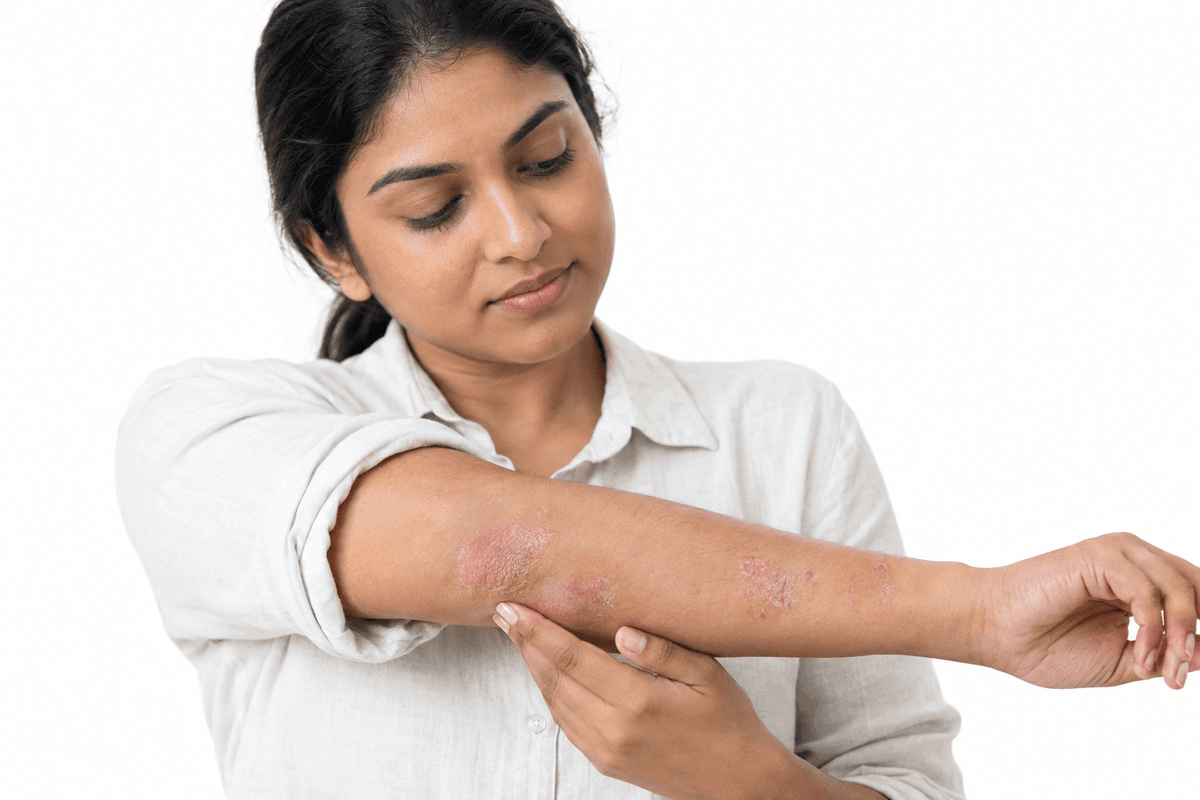
Psoriasis is a chronic autoimmune skin condition affecting many individuals in Bengaluru, characterized by red, scaly patches that can appear anywhere on the body. This non-contagious condition occurs when the immune system triggers excessive skin cell production, leading to buildup and inflammation. Dr Ramanjanyalu at Dr Rams Skin Remediez provides comprehensive psoriasis management using evidence-based treatments tailored to each patient's specific condition severity and lifestyle needs.
The most common form, characterized by raised, inflamed, red lesions covered with silvery-white scales. These plaques typically appear on elbows, knees, scalp, and lower back, causing itching and discomfort.
Presents as small, dot-like lesions scattered across the trunk and limbs, often triggered by bacterial infections like strep throat. More common in children and young adults, appearing suddenly as drop-shaped scaly spots.
A severe form featuring white pustules surrounded by red skin, which can be localized to hands and feet or generalized across the body. May cause fever, chills, and requires immediate medical attention in widespread cases.
Multiple factors can contribute to the development and progression of this condition.
Psoriasis develops gradually. Recognising symptoms early gives you more treatment options.
From conservative to surgical — we always start with the least invasive option first.
A structured, patient-first approach from first visit to full recovery.
Dr Ramanjanyalu conducts thorough clinical examination documenting psoriasis type, severity, distribution, and impact on quality of life. Detailed medical history reviews triggers, previous treatments, and any joint symptoms to create a complete disease profile.
Based on assessment findings, Dr Rams Skin Remediez develops an individualized treatment protocol considering disease severity, patient preferences, lifestyle factors, and treatment goals. Plans may combine multiple modalities for optimal outcomes.
Treatments are initiated with clear instructions, whether topical applications, in-clinic phototherapy sessions, or systemic medications. Regular monitoring appointments track progress, adjust protocols, and manage any side effects promptly.
Dr Ramanjanyalu establishes ongoing care strategies to maintain remission, prevent flares, and address new symptoms. Patient education on trigger avoidance, stress management, and lifestyle modifications ensures sustained skin health.
What to expect at each phase of recovery.
Within 2-4 weeks of starting treatment, patients typically notice reduced inflammation, decreased scaling, and lessening of itching. Visible improvement in plaque thickness and redness begins as medications take effect.
Over 8-12 weeks, significant clearing of lesions occurs with continued treatment adherence. Skin texture improves, scales diminish substantially, and affected areas begin approaching normal appearance with proper therapy continuation.
Long-term management focuses on sustaining clear or near-clear skin through continued treatment, trigger avoidance, and lifestyle optimization. Regular follow-ups monitor for flares and adjust protocols to maintain quality of life improvements.
Most patients experience substantial reduction in itching, scaling, and discomfort with appropriate treatment, leading to improved daily comfort and sleep quality.
Treatment typically achieves 75-90% or greater clearing of psoriatic lesions in moderate to severe cases, with many patients reaching minimal residual disease status.
Effective psoriasis management reduces emotional distress, improves self-confidence, and enables fuller participation in social, professional, and recreational activities without skin-related limitations.
Proper treatment reduces risk of psoriatic arthritis development, cardiovascular complications, and psychological comorbidities associated with chronic untreated psoriasis.
Untreated psoriasis can significantly worsen over time, spreading to cover larger body areas and causing increasing physical discomfort and psychological distress. Beyond skin symptoms, chronic inflammation may contribute to development of psoriatic arthritis, cardiovascular disease, metabolic syndrome, and depression. The condition's visibility and persistent symptoms often lead to social isolation, reduced quality of life, and impact on professional opportunities if left unmanaged.
Consult Dr Ramanjanyalu at Dr Rams Skin Remediez if you develop persistent red, scaly patches that don't resolve with over-the-counter treatments, or if existing psoriasis suddenly worsens or spreads. Immediate medical attention is necessary if you experience widespread pustular eruptions, severe joint pain or swelling, or symptoms affecting large body surface areas that interfere with daily activities. Early intervention leads to better outcomes and prevents progression to more severe disease.
Early treatment means more options and better outcomes. Book a consultation to understand your condition and explore the right path forward.