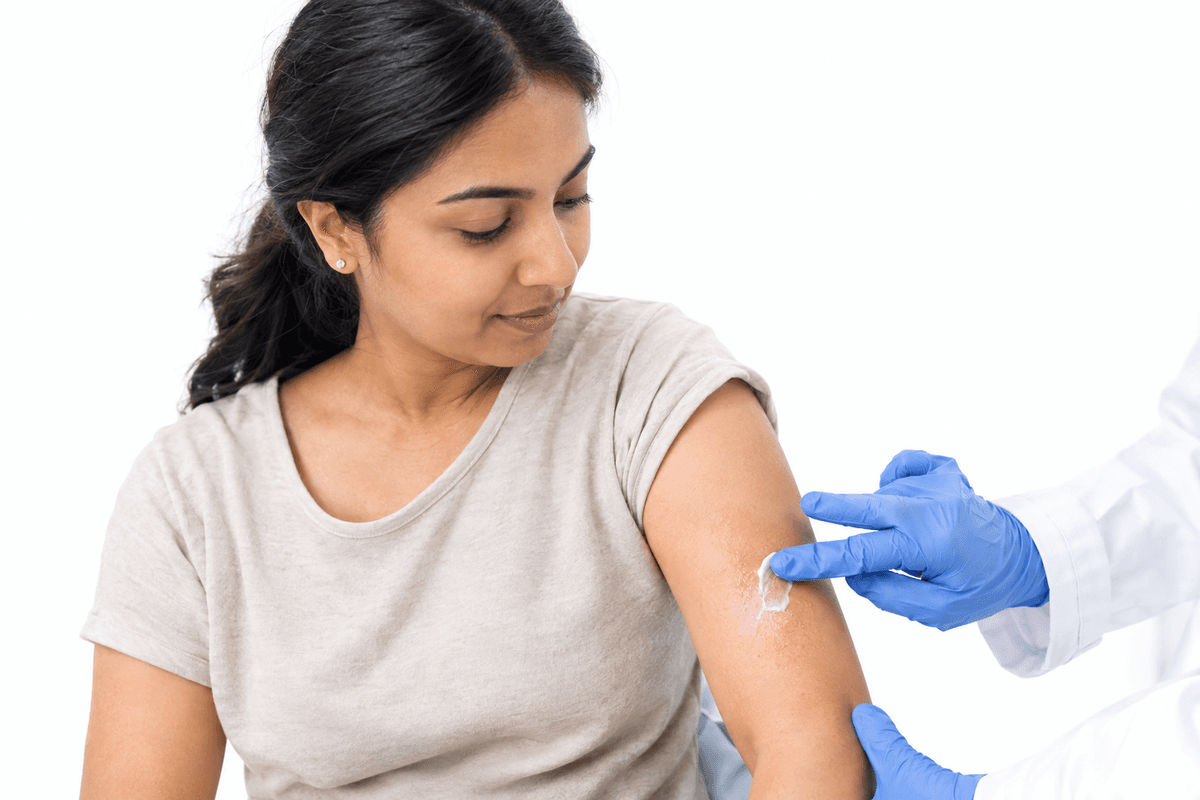
Performed by Dr. Ramanjanyalu at Dr Rams Skin Remediez
Eczema treatment addresses the chronic inflammation and barrier dysfunction that characterise atopic dermatitis and related conditions. Dr Ramanjanyalu at Dr Rams Skin Remediez works with each patient to identify triggers, reduce active symptoms, and maintain long-term control through topical medications, education and individualised care plans.
We believe in honest, upfront disclosure so you can make an informed decision.
A step-by-step look at what happens during this procedure.
The dermatologist examines affected areas, reviews the pattern and history of flares, and asks about family history, allergies and lifestyle factors to confirm the diagnosis and gauge severity.
Discussion centres on environmental irritants, allergens, stress, climate changes and other factors that may provoke or worsen symptoms, helping to build a personalised avoidance plan.
The doctor prescribes anti-inflammatory creams, barrier-repair emollients or other topical agents tailored to the severity and location of the rash, with clear instructions on frequency and duration.
For moderate to severe eczema that does not respond to topicals alone, oral medications or other systemic options may be introduced to reduce inflammation from within.
The clinical team teaches bathing routines, moisturiser application, when to step up or step down therapy, and when to return for review, ensuring the patient can manage flares confidently at home.
A structured, patient-first approach from first consultation to full recovery.
Dr Rams Skin Remediez conducts a detailed examination of all affected areas, documents the extent and severity, and discusses your symptom history to create a clear picture of your eczema pattern.
A tailored regimen is designed based on your skin type, age, lifestyle and previous treatment responses, balancing efficacy with safety and ease of use.
The team provides practical advice on moisturiser selection, bathing temperature, clothing choices and environmental modifications to minimise irritation and strengthen the skin barrier.
Regular follow-up visits are arranged to assess progress, adjust medications as flares settle or recur, and reinforce strategies that keep eczema under control over the long term.
What to expect at each stage of your recovery journey.
The first weeks focus on calming active inflammation, reducing itch and healing broken skin. Medications are typically used more frequently, then tapered as symptoms settle. Individual timelines vary.
As inflammation subsides, emphasis shifts to rebuilding the skin's protective barrier with regular emollients and gentle skincare. This phase can take several weeks and requires consistency.
Once control is achieved, lower-intensity therapy and continued trigger avoidance aim to prevent new flares. Periodic follow-up helps adjust the plan as seasons, stress or other factors change.
Treatment may help lengthen the time between flare-ups and make episodes less intense, though eczema is a chronic condition and complete elimination of all symptoms is not always possible.
Controlling itch and inflammation can restore sleep quality and daily function, but individual response varies and some degree of dryness or sensitivity may persist.
Consistent barrier care can strengthen the skin over time, making it more resilient to irritants, though the underlying genetic tendency cannot be cured.
Some patients require long-term systemic therapy or specialist referral if standard approaches do not achieve adequate control, and flares may still occur despite good adherence.
The right choice depends on your diagnosis, risks and circumstances — discussed with you at your consultation.
Damp bandages over medicated skin can intensify hydration and drug delivery during severe flares. It is labour-intensive and usually reserved for short periods or hospital settings.
Controlled ultraviolet light exposure may help moderate to severe eczema that has not responded to topicals. It requires multiple clinic visits per week and carries its own risks.
In very mild cases, consistent moisturising and strict avoidance of known irritants may be sufficient without prescription medication. This approach is guided by symptom severity and individual circumstances.
Let's clear up some of the most common myths about eczema treatment.
Get a personalised assessment from an experienced specialist. Understand your options, ask your questions, and decide with confidence.