Treated by Dr. Ramanjanyalu at Dr Rams Skin Remediez
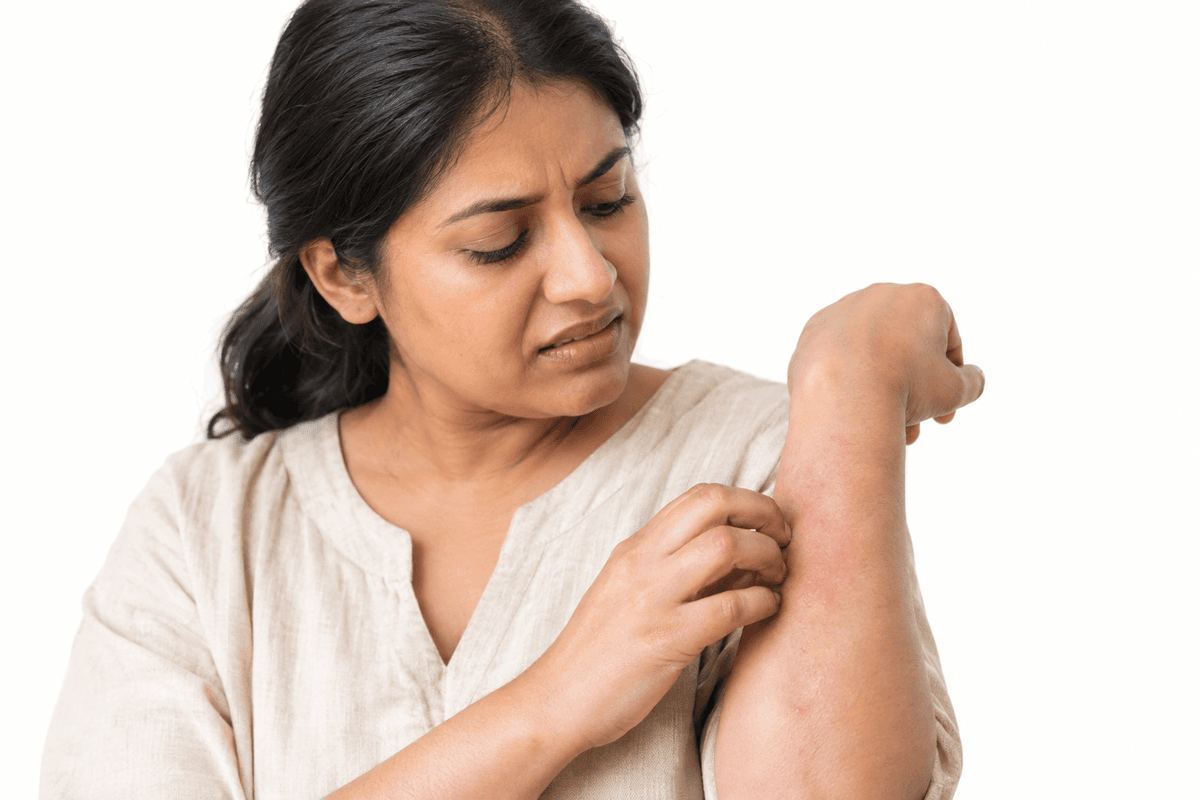
Skin allergy happens when your body's immune system responds to a substance it sees as harmful, even if it's not. This reaction can cause redness, itching, swelling, or rashes. Common triggers include metals, cosmetics, plants, medicines, and certain foods. Dr Ramanjanyalu evaluates each case to identify the cause and recommend appropriate care to reduce symptoms and prevent future reactions.
A rash that develops when skin touches an irritating substance or allergen, such as soaps, metals, or certain plants. It may appear as redness, itching, blisters, or dry patches.
Raised, itchy welts on the skin that can appear suddenly and move around. Often triggered by foods, medicines, insect bites, or infections.
A chronic condition that causes dry, itchy, inflamed skin, often appearing in people with a personal or family history of allergies or asthma.
Multiple factors can contribute to the development and progression of this condition.
Recognising the signs early gives you more treatment options.
Evaluation begins with a detailed history of symptoms, exposures, and timing, followed by a skin examination. Depending on the case, specific tests may be needed to identify the allergen; not every patient requires all investigations.
From conservative to surgical — we always start with the least invasive option first.
A structured, patient-first approach from first visit to full recovery.
Dr Ramanjanyalu takes a detailed history of your symptoms, recent exposures, and any known allergies, then examines the affected skin to understand the pattern and severity of the reaction.
Depending on your history, patch testing or other investigations may be arranged to pinpoint the specific allergen responsible for your symptoms.
A treatment plan is tailored to your condition, starting with allergen avoidance and appropriate topical or oral medications to control symptoms and prevent flare-ups.
Regular follow-up visits allow monitoring of progress, adjustment of treatments as needed, and guidance on long-term management and prevention strategies.
What to expect at each phase of recovery.
Symptoms such as itching and redness often improve within days of starting treatment and avoiding the trigger, though individual response varies.
Over several weeks, the skin heals, inflammation subsides, and the protective barrier is restored with continued moisturizing and care.
Ongoing vigilance to avoid known triggers, maintain skin health, and promptly address any new reactions helps prevent recurrence and maintain comfort.
Good management can significantly reduce itching, redness, and discomfort, helping patients return to normal activities. However, some cases may require ongoing maintenance.
Identifying and avoiding triggers helps prevent future reactions. Despite best efforts, accidental exposures or new sensitivities may still occur.
With treatment, active rashes typically clear and skin texture improves. Chronic changes like darkening or thickening may take longer to resolve and some may persist.
Allergic tendencies are often lifelong. While symptoms can be managed effectively, the underlying sensitivity may remain, requiring continued vigilance and care.
Without treatment, skin allergies can lead to persistent itching and discomfort, disrupting sleep and daily activities. Chronic scratching may cause skin thickening, scarring, or secondary infections. In some cases, untreated severe allergic reactions can spread or worsen, requiring more intensive intervention later.
Seek medical attention if you develop a new rash that does not improve within a few days, if itching is severe enough to interfere with sleep or daily life, or if you notice blistering, oozing, or signs of infection. Immediate care is needed if you experience swelling of the face, lips, or throat, or difficulty breathing, as these may indicate a serious allergic reaction.
Early treatment means more options and better outcomes. Book a consultation to understand your condition and explore the right path forward.