Treated by Dr. Ramanjanyalu at Dr Rams Skin Remediez
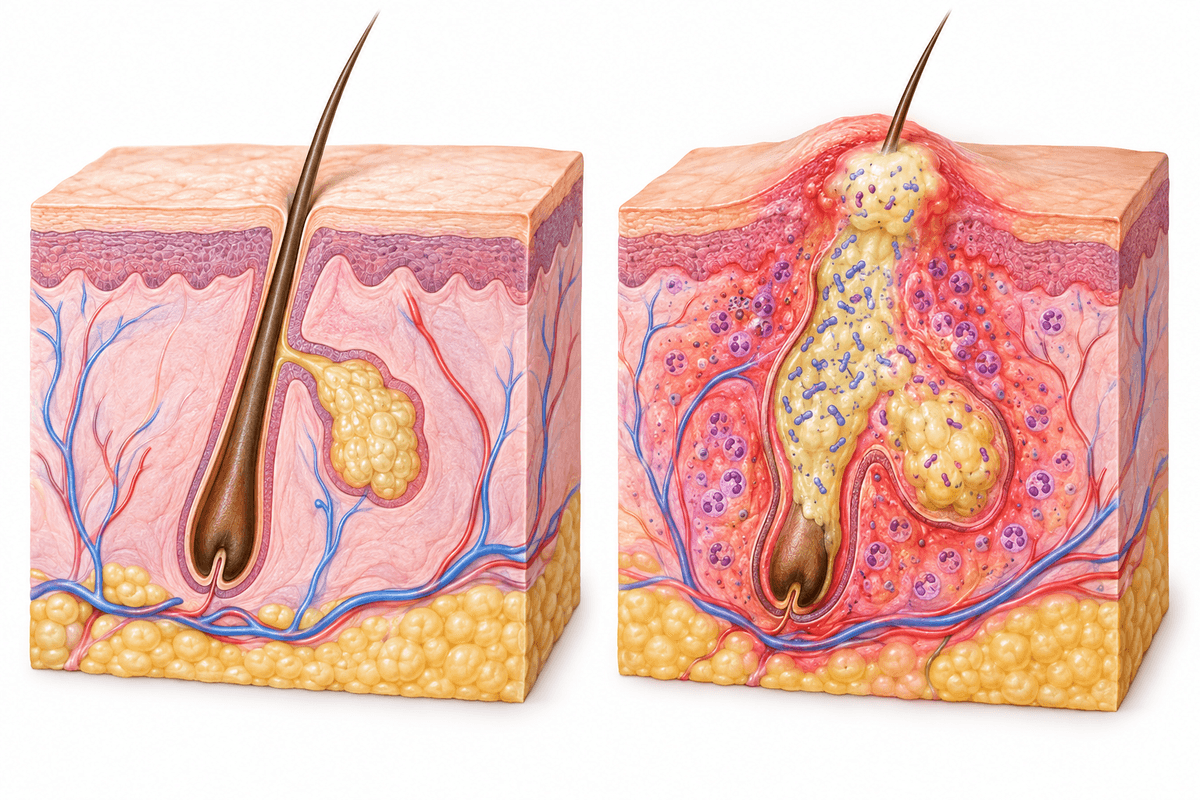
Acne, commonly known as pimples, affects many individuals in Bengaluru and is a skin condition characterized by blocked hair follicles resulting in inflamed bumps, blackheads, and cysts. This inflammatory disorder occurs when oil glands produce excess sebum, mixing with dead skin cells to clog pores. Dr Ramanjanyalu at Dr Rams Skin Remediez specializes in comprehensive acne management tailored to individual skin types and severity levels.
Characterized by blackheads and whiteheads without inflammation, this mild form occurs when pores become clogged with oil and dead skin cells, appearing primarily on the forehead, nose, and chin.
Presents as red, swollen papules and pustules caused by bacterial infection within clogged pores, resulting in tender, painful bumps that may leave temporary discoloration after healing.
The most severe form featuring large, painful, deep-seated nodules and cysts beneath the skin surface that often cause significant scarring and require aggressive treatment approaches.
Multiple factors can contribute to the development and progression of this condition.
Acne(Pimples) develops gradually. Recognising symptoms early gives you more treatment options.
From conservative to surgical — we always start with the least invasive option first.
A structured, patient-first approach from first visit to full recovery.
Dr Ramanjanyalu conducts a thorough clinical examination to determine acne type, severity grade, and contributing factors including hormonal status, lifestyle habits, and previous treatment history to create a personalized treatment blueprint.
Based on assessment findings, Dr Rams Skin Remediez designs a multi-modal treatment plan combining appropriate topical agents, oral medications if needed, and advanced procedures tailored to your specific skin type and acne severity.
Regular follow-up appointments track treatment response, assess for side effects, and adjust protocols as needed to ensure optimal outcomes while minimizing potential adverse reactions throughout your acne management journey.
Proactive interventions including early treatment of deep lesions, professional extraction techniques, and timely introduction of resurfacing procedures minimize scarring risk while addressing existing marks for comprehensive skin restoration.
What to expect at each phase of recovery.
Skin may experience temporary purging with increased breakouts as treatments accelerate cell turnover. Mild dryness, redness, or peeling is common as skin adjusts to new regimens, requiring consistent moisturization and sun protection.
Noticeable reduction in active lesions becomes evident as treatments take full effect. Inflammation subsides, new breakouts decrease in frequency and severity, and skin texture begins to smooth with proper adherence to prescribed protocols.
Achieved clear skin requires ongoing maintenance therapy to prevent relapse. Continued use of appropriate topical agents, periodic professional treatments, and lifestyle modifications sustain long-term results and minimize recurrence risk.
Most patients experience 70-90% reduction in active acne lesions within 3-4 months of consistent treatment, with complete clearance achievable in many cases through sustained therapeutic protocols.
Treatment normalizes oil production, refines enlarged pores, and promotes smoother skin surface through enhanced cellular turnover, resulting in visibly healthier and more radiant complexion.
Early intervention and professional management significantly reduce permanent scarring risk, while advanced resurfacing techniques effectively address existing scars for improved skin appearance and uniformity.
Clear, healthy skin dramatically improves psychological well-being, social interactions, and quality of life, with patients reporting increased confidence and reduced anxiety related to their appearance.
Untreated acne can progress from mild comedones to severe cystic lesions, causing permanent scarring including deep pits, raised keloids, and widespread hyperpigmentation that becomes increasingly difficult to correct. Chronic inflammation may lead to psychological impact including depression, social anxiety, and reduced self-esteem affecting personal and professional relationships.
Consult Dr Ramanjanyalu at Dr Rams Skin Remediez if over-the-counter treatments fail after 6-8 weeks, if you develop painful cysts or nodules, or if acne causes scarring or significant emotional distress. Early professional intervention prevents permanent damage and achieves faster, more effective results than self-treatment alone.
Early treatment means more options and better outcomes. Book a consultation to understand your condition and explore the right path forward.