Treated by Dr. Ramanjanyalu at Dr Rams Skin Remediez
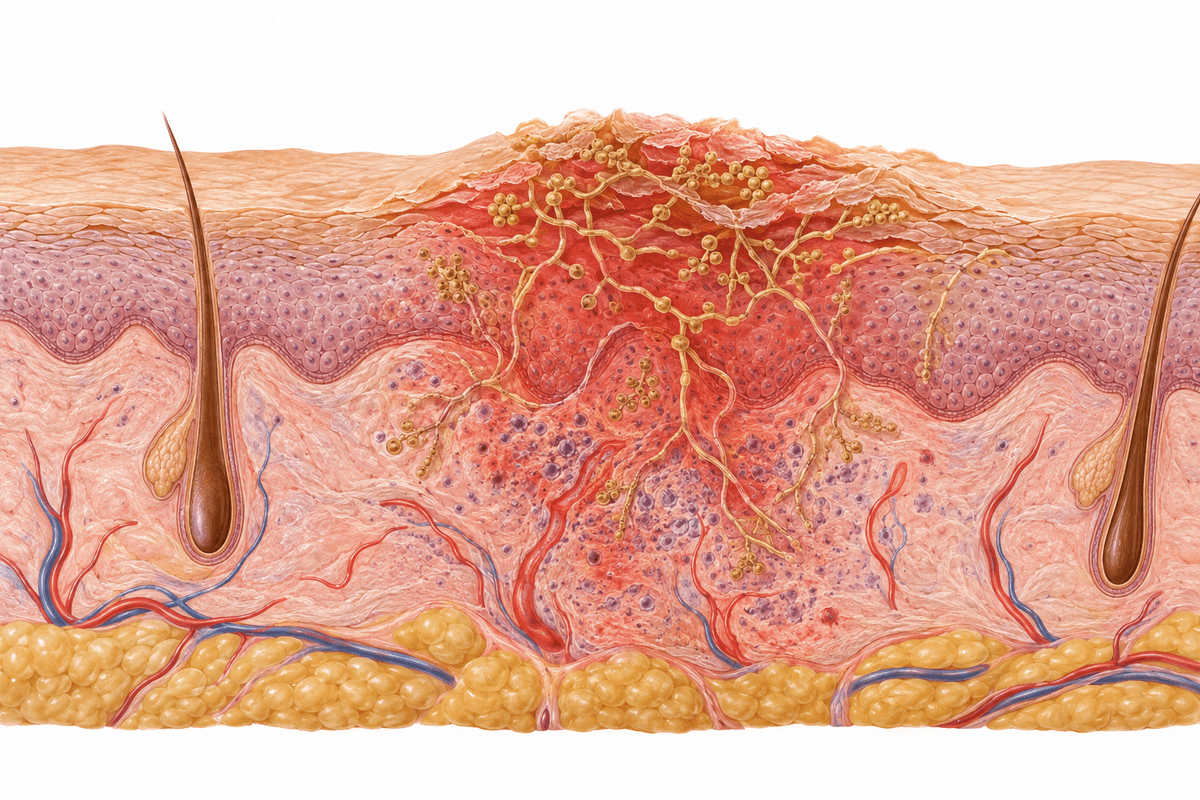
Fungal infections occur when fungi invade the skin, nails, hair or mucous membranes, causing symptoms like itching, redness, scaling and discomfort. These infections are common and can affect people of all ages. Dr Ramanjanyalu at Dr Rams Skin Remediez provides assessment and treatment based on the type and extent of infection, recognising that each case requires individual evaluation.
Tinea infections affecting the skin, scalp, nails or body. Common examples include ringworm, athlete's foot and nail fungus. These are caused by fungi that feed on keratin.
Yeast infections affecting moist areas such as skin folds, mouth, nails and genital regions. Often occur in warm, humid conditions or when immunity is compromised.
Less common infections that may involve deeper layers of skin or internal organs. These typically occur in people with weakened immune systems and require specialised care.
Multiple factors can contribute to the development and progression of this condition.
Recognising the signs early gives you more treatment options.
Diagnosis begins with clinical history and examination of the affected area. Laboratory tests such as skin scrapings, nail clippings or hair samples may be used to confirm the type of fungus, though not every patient requires these investigations.
From conservative to surgical — we always start with the least invasive option first.
A structured, patient-first approach from first visit to full recovery.
Dr Ramanjanyalu takes a detailed history and examines the affected area to understand the type and extent of infection.
Where needed, samples are collected for microscopy or culture to identify the specific fungus and guide treatment choice.
A treatment plan is tailored to the individual, considering the site of infection, severity, previous treatments and any underlying health conditions.
Regular reviews help assess treatment response, adjust therapy if needed, and provide guidance on prevention to reduce the risk of recurrence.
What to expect at each phase of recovery.
Symptoms such as itching and redness often begin to improve within one to two weeks of starting treatment, though visible changes take longer. Individual timelines vary.
Complete clearance of infection may take several weeks for skin and months for nails. It is important to continue treatment for the full prescribed duration even if symptoms improve earlier.
After clearance, preventive measures and good hygiene help reduce the risk of reinfection. Some individuals may need periodic follow-up, especially if recurrence occurs.
Treatment aims to reduce itching, discomfort and visible signs of infection. Most people see improvement, though response times vary.
Complete resolution is possible with appropriate treatment and adherence. However, recurrence can happen, particularly if risk factors remain.
Fungal nail infections may clear clinically, but cosmetic improvement of the nail can be slow and sometimes incomplete. New healthy nail growth takes time.
Early and effective treatment helps prevent transmission to others and spreading to other body areas. Ongoing preventive care is key to long-term control.
Untreated fungal infections often persist and may spread to other areas of the body or to other people. Chronic infections can cause discomfort, thickened skin, permanent nail damage and secondary bacterial infections. In individuals with weakened immunity, untreated infections may become more serious and difficult to manage.
Seek medical advice if you notice persistent itching, scaling, redness or discoloured patches on the skin, nails or scalp that do not improve with over-the-counter treatments. Early consultation is especially important if you have diabetes, a weakened immune system or if the infection is spreading or causing pain.
Early treatment means more options and better outcomes. Book a consultation to understand your condition and explore the right path forward.