Treated by Dr. Ramanjanyalu at Dr Rams Skin Remediez
Nail problems in Bengaluru affect people of all ages and can manifest as discoloration, brittleness, thickening, splitting, or fungal infections. These conditions can result from trauma, infections, systemic diseases, or environmental factors, impacting both appearance and function. Dr Ramanjanyalu at Dr Rams Skin Remediez provides comprehensive evaluation and personalized treatment plans to restore nail health and prevent recurrence.
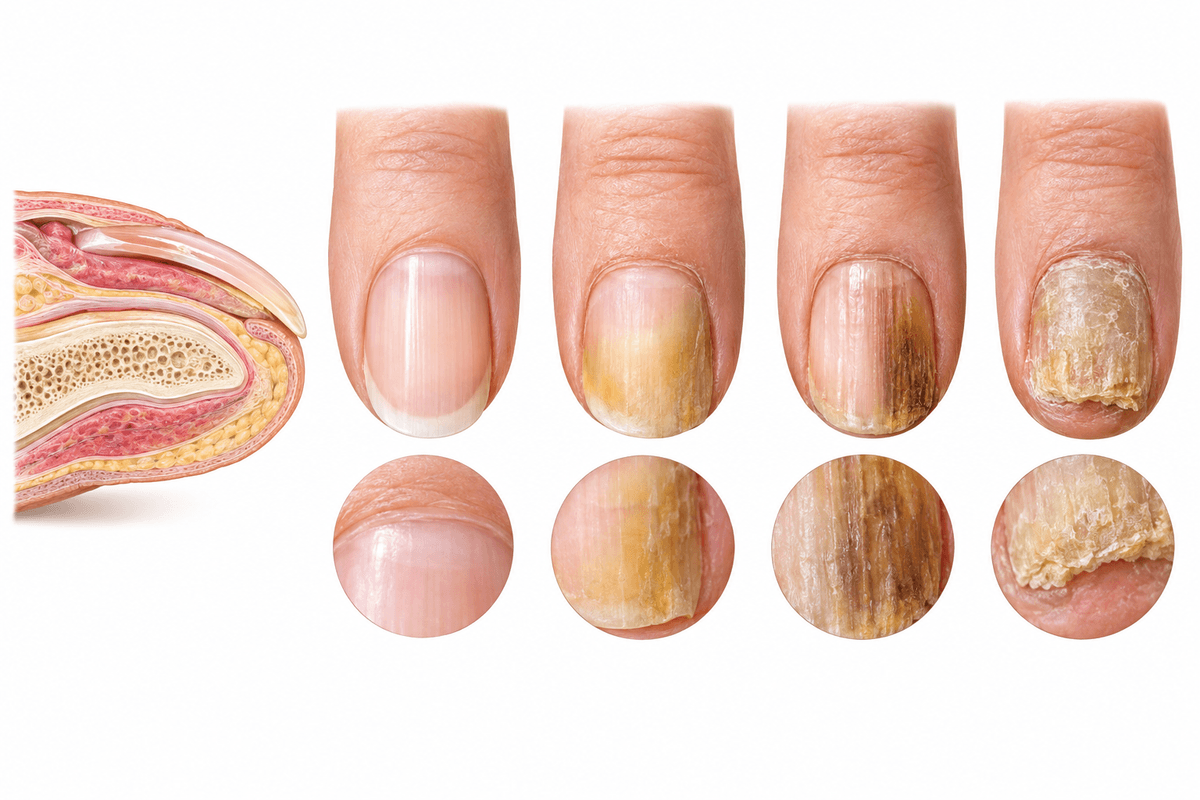
A common infection caused by dermatophytes, yeasts, or molds that leads to nail thickening, discoloration, and crumbling. The infection typically starts at the nail edge and spreads toward the base, causing yellow or white discoloration and nail separation from the bed.
Structural abnormalities including ridging, pitting, splitting, or complete nail loss due to trauma, psoriasis, eczema, or autoimmune conditions. These changes can affect nail texture, shape, and growth pattern, often requiring targeted dermatological intervention.
Changes in nail color ranging from white spots and yellow staining to brown or black discoloration caused by melanin deposits, medications, infections, or underlying health conditions. Proper diagnosis is essential to rule out serious conditions like melanoma.
Multiple factors can contribute to the development and progression of this condition.
Nail Problems develops gradually. Recognising symptoms early gives you more treatment options.
From conservative to surgical — we always start with the least invasive option first.
A structured, patient-first approach from first visit to full recovery.
Dr Ramanjanyalu performs detailed clinical examination of all affected nails using dermoscopy and specialized lighting to identify the specific condition. Nail clippings or scrapings may be collected for laboratory analysis including fungal culture, KOH preparation, and histopathology to confirm diagnosis and rule out underlying systemic conditions.
Based on diagnosis, severity, and patient factors, our dermatology team designs a personalized treatment plan combining appropriate topical, oral, or laser therapies. Dr Rams Skin Remediez considers medical history, concurrent medications, lifestyle factors, and patient preferences to optimize treatment outcomes while minimizing side effects.
Treatment is initiated with clear instructions on medication use, nail care practices, and hygiene measures to prevent reinfection. Regular follow-up visits every 4-8 weeks allow our team to monitor treatment response, adjust protocols as needed, assess for side effects, and provide ongoing education on prevention strategies.
After successful treatment, Dr Ramanjanyalu provides guidance on preventing recurrence through proper nail care, appropriate footwear selection, and environmental modification. Periodic check-ups ensure sustained nail health and early detection of any recurrence, with maintenance therapy prescribed when indicated.
What to expect at each phase of recovery.
Patients begin prescribed topical or oral therapies with initial follow-up to ensure proper application technique and medication tolerance. Early improvements may not be visible as nail changes require new growth, but cessation of progression and reduction in inflammation indicate treatment effectiveness.
New healthy nail growth becomes visible at the nail base, gradually replacing affected portions as the nail grows out. Treatment adherence is critical during this phase, with continued medication use and preventive measures to avoid reinfection while the nail regenerates completely.
Complete nail clearance is achieved as healthy nail fully replaces diseased tissue, typically taking 6 months for fingernails and up to 12 months for toenails. Patients transition to preventive care strategies with periodic monitoring to ensure sustained results and catch any early recurrence.
Achievement of mycological and clinical cure with restoration of normal nail appearance, texture, and growth pattern. Success rates vary by treatment modality but range from 60-90% with appropriate therapy and patient compliance.
Restoration of nail plate integrity eliminates pain, discomfort, and functional limitations associated with thickened or deformed nails. Improved cosmetic appearance enhances confidence and quality of life, particularly for visible fingernails.
Early treatment prevents spread to other nails, reduces risk of secondary bacterial infections, and minimizes permanent nail matrix damage. Timely intervention is especially important for diabetic patients at higher risk of complications.
With proper preventive care and periodic monitoring, most patients maintain healthy nails long-term with low recurrence rates. Education on risk factor modification and early intervention strategies ensures sustained outcomes and prompt management of any future issues.
Untreated nail problems can progress to permanent nail deformity, complete nail loss, and chronic pain affecting daily activities. Fungal infections may spread to other nails and skin areas, while in immunocompromised or diabetic patients, they can lead to serious secondary bacterial infections requiring hospitalization. Delayed treatment increases the difficulty and duration of therapy needed to restore nail health.
Consult Dr Ramanjanyalu at Dr Rams Skin Remediez if you notice persistent nail discoloration, thickening, brittleness, separation from the nail bed, or any painful changes lasting more than two weeks. Immediate evaluation is particularly important for diabetic patients, those with compromised immunity, or when nail changes are accompanied by signs of infection such as redness, swelling, or pus formation. Early diagnosis significantly improves treatment outcomes and prevents permanent damage.
Early treatment means more options and better outcomes. Book a consultation to understand your condition and explore the right path forward.